
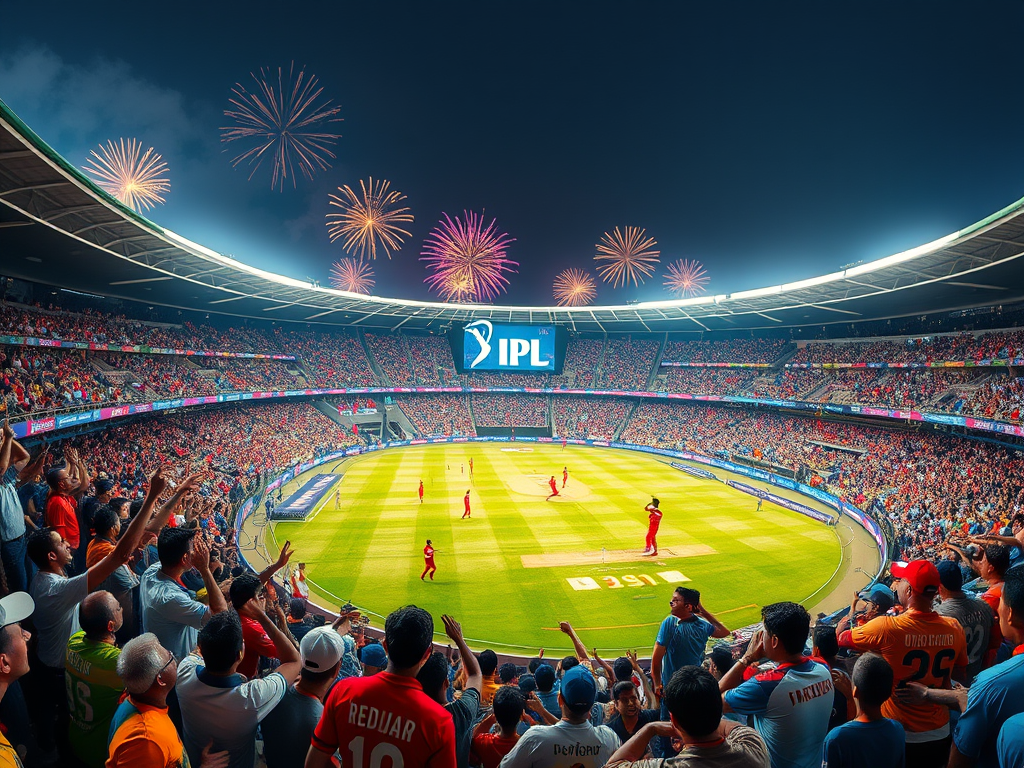
Delhi NCR, Cricastar Sports Desk: The Indian Premier League (IPL) is a professional Twenty20 cricket league in India, organized by the Board of Control for Cricket in India (BCCI). Launched in 2008, it has become the world’s most popular and lucrative cricket league, running annually from March to May. Here’s a breakdown of its reality, covering its structure, impact, and criticisms, grounded in available information:
Structure and Success
Format and Teams: The IPL features ten city-based franchise teams, with 74 matches in the 2025 season (March 22–May 25). Teams play in a round-robin group stage, followed by playoffs, with the top four advancing to Qualifier and Eliminator matches.
Popularity and Reach: It’s the most-watched sports competition in India, per the Broadcast Audience Research Council, and ranked sixth globally in attendance in 2014. The 2008 inaugural season drew 200 million TV viewers in India and 10 million overseas, surpassing the English Premier League’s viewership at the time. In 2010, it became the first sporting event broadcast live on YouTube.
Financial Power: The IPL is a financial juggernaut. Its brand value was estimated at $11 billion in 2022, with media rights for 2023–2027 sold for $6.2 billion. Player auctions fetch massive sums, with Rishabh Pant sold for ₹27 crore ($3.2 million) in 2025, the highest ever. Franchise owners, including billionaires and Bollywood stars, invest heavily, with teams like Mumbai Indians having payrolls exceeding $100 million in early years.
Global Influence: The IPL’s model has inspired other T20 leagues worldwide, like the Caribbean Premier League and Major League Cricket. IPL franchises own stakes in international teams, such as Mumbai Indians’ 49% stake in The Hundred’s Oval Invincibles. It attracts top international players, making it a hub for global cricket talent.
Entertainment and Innovation
Cricketainment: The IPL transformed cricket into a three-hour spectacle, blending sport with Bollywood glamour, cheerleaders, and fireworks. This “cricketainment” appeals to casual viewers, not just cricket purists, with star-studded ceremonies and high-energy matches.
T20 Format: The fast-paced 20-over format, with innovations like strategic timeouts, Powerplays, and Super Overs, ensures constant action. High-scoring games (e.g., Sunrisers Hyderabad’s 287/3 in 2024) and dramatic finishes (15 ties resolved by Super Overs as of 2025) keep fans engaged.
Player Opportunities: The IPL offers life-changing earnings for players, with domestic and international stars becoming millionaires overnight. Awards like the Orange Cap (leading run-scorer) and Purple Cap (leading wicket-taker) add prestige. Emerging players, like 13-year-old Vaibhav Suryavanshi (sold for ₹1.1 crore in 2025), get a platform to shine.
Criticisms and Challenges
Commercialization Over Sport: Critics argue the IPL prioritizes profit over cricket’s spirit. X posts highlight sentiments that it’s a “batters’ league” with bowler-friendly pitches rare, reducing bowling to a “formality.” Fielding standards have also been called “gully cricket level” in 2025.
Slow Pace: Despite the T20 format, matches often exceed three hours due to strategic timeouts, drinks breaks, and equipment changes, frustrating viewers. Penalties like restricting fielders or fining captains haven’t fully addressed this.
Corruption Scandals: The IPL has faced allegations of betting, money laundering, and spot-fixing, notably in 2012. These controversies have tarnished its reputation, though the BCCI has taken steps to tighten regulations.
Dominance Over Cricket: The IPL’s financial clout and exclusive ICC window reduce international cricket tours during its season, with some calling it a “stranglehold” on the global game. Its model, backed by India’s massive cricket-loving population, is hard to replicate elsewhere, as noted on X.
Exclusion Controversies: The 2025 auction saw no Bangladeshi players sold, sparking backlash from their fans. Some Indian support for this stemmed from geopolitical tensions, highlighting how external factors can influence the league.
Sociocultural Impact
Cultural Phenomenon: Dubbed “India ka Tyohar” (India’s festival), the IPL unites diverse audiences, from cricket diehards to casual fans, through its blend of sport and entertainment. It’s a cultural touchstone, with 50% of Indian households with cable/satellite TV watching the 2008 semi-finals and final.
Economic Boost: The IPL generates jobs, boosts tourism, and fuels local economies in host cities. Its success led to the Women’s Premier League (WPL) in 2023, expanding opportunities for women cricketers.
Franchise Ecosystem: Owned by corporate giants and celebrities, franchises operate like businesses, with fans fiercely loyal to teams like Chennai Super Kings or Mumbai Indians. However, X posts critique this shift to “private entities” with little stake in cricket’s broader ecosystem.
The IPL is a transformative force in cricket, blending sport, entertainment, and commerce into a global phenomenon. Its fast-paced format, massive viewership, and financial might make it a juggernaut, but it faces criticism for slow matches, commercialization, and ethical lapses. It’s both a celebration of cricket and a reflection of its evolving, sometimes controversial, reality.
Disclaimer: Cricastar does not independently verify this information. The details have been sourced from external reports. Readers are advised to use their discretion while interpreting the content.
 Cricastar
Leave a Reply